
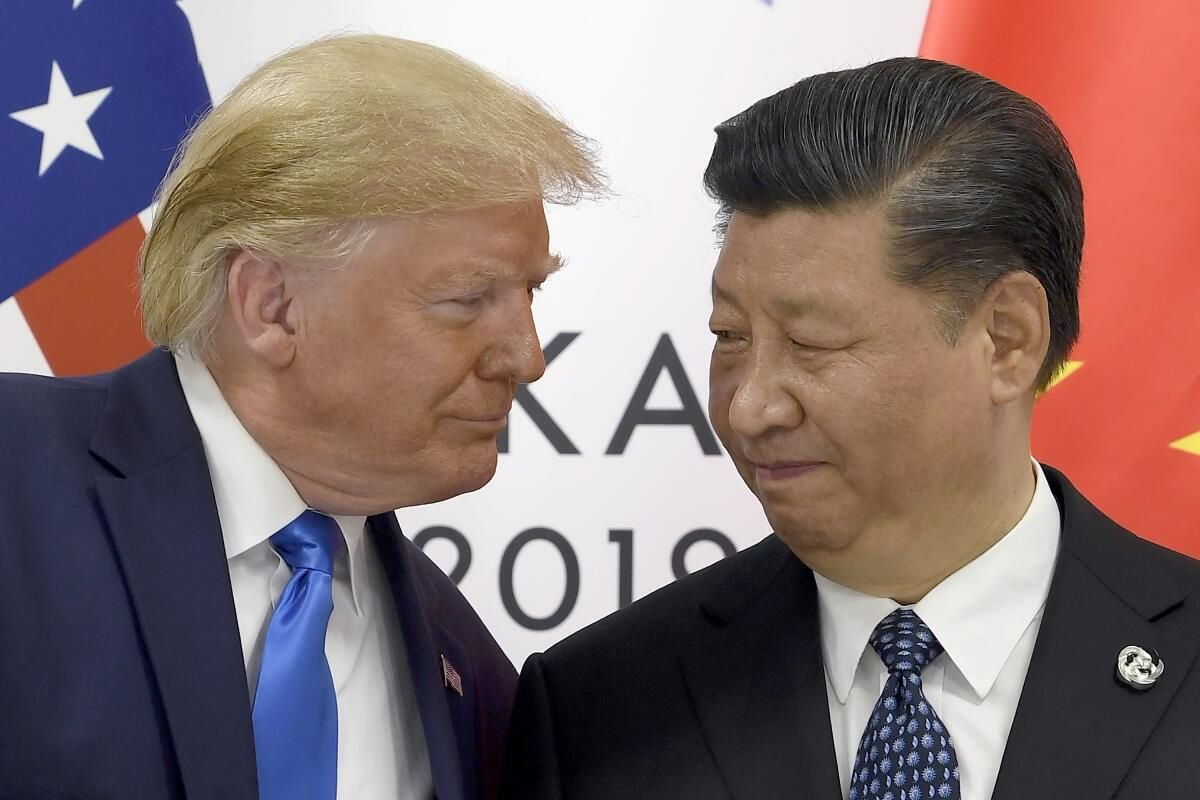
Washington / Beijing — As the upcoming Trump–Xi summit draws near, the White House is signaling that the United States may seek China’s diplomatic leverage over Moscow to de-escalate the ongoing war in Ukraine. But experts caution that, despite outward optimism, deep strategic divisions and competing national interests make a breakthrough highly uncertain.
President Donald Trump, who has repeatedly framed himself as a dealmaker capable of ending “endless wars,” is reportedly preparing to press Chinese President Xi Jinping to use Beijing’s close relationship with Moscow to influence Russian President Vladimir Putin toward a cease-fire or negotiation framework.
According to senior administration officials, the idea is that China’s economic and political sway over Russia—as one of its main trading partners amid Western sanctions—could serve as a pressure point to curb the conflict. “The President believes that China can play a constructive role,” a U.S. official told Reuters this week. “If Beijing truly wants stability in global markets, this is the time to act.”
Yet, foreign policy analysts remain skeptical. China has avoided condemning Russia’s invasion of Ukraine, and instead has deepened energy and trade cooperation with Moscow since the war began in 2022. This partnership, grounded in shared opposition to U.S. global influence, complicates any effort by Washington to enlist Beijing’s help.
“Trump is asking China to weaken the very alliance it’s been strengthening for years,” said Bonnie Glaser, director of the Indo-Pacific Program at the German Marshall Fund. “It’s a diplomatic paradox: you can’t ask one strategic rival to undercut another.”
For Beijing, the potential benefits of mediation are clear: presenting itself as a global peace broker could enhance its soft power and credibility in the developing world. But analysts warn that China is unlikely to side openly with Washington, as doing so could alienate Moscow and undercut its own geopolitical agenda.
Meanwhile, in Kyiv, Ukrainian officials have expressed concern that a Trump-led negotiation—particularly one involving China—could lead to pressure for premature concessions. President Volodymyr Zelensky has reiterated that any peace plan must include a full Russian withdrawal and accountability for war crimes.
The Trump–Xi summit, expected to take place next week in Singapore, will mark the first face-to-face meeting between the two leaders since 2020. Sources within both governments have suggested that Ukraine, trade tensions, and Indo-Pacific security will dominate the agenda.
For now, it remains unclear whether Trump’s outreach to Beijing will yield tangible results—or simply underscore the limits of transactional diplomacy in a fractured world order.